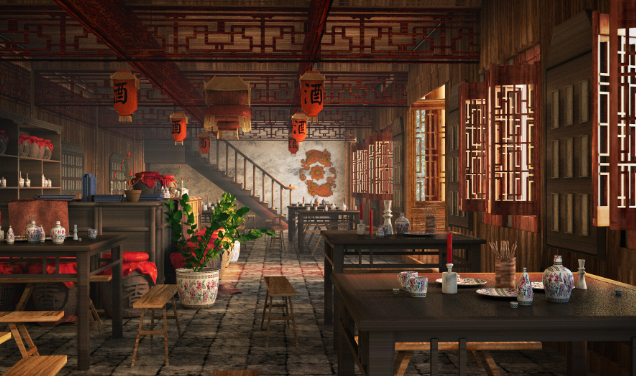
Chinese Restaurant Flavors That Bring Diners Together
Chinese restaurant dining often turns food into a shared experience where flavors encourage conversation, curiosity, and connection. A table filled with several dishes gives everyone the chance to taste something different while enjoying the same meal. Sweet, savory, spicy, sour, and aromatic notes can appear across the menu, creating a lively combination that keeps every bite interesting. This communal approach makes Chinese cuisine https://www.newhongkongchineserestaurant.com/ especially suitable for family dinners, friendly gatherings, and celebrations. Instead of focusing on one individual plate, diners can build a complete experience by combining dishes with different textures and flavor profiles. The result feels less like a simple meal and more like a culinary exchange where everyone contributes to the experience through their choices and preferences.
Shared Plates Create Natural Connections
Sharing food sits at the heart of many Chinese dining experiences. Restaurants often serve dishes in portions designed for several people, allowing diners to place them at the center of the table. Someone might choose a noodle dish while another guest selects seafood or vegetables, and everyone can sample the results. This format creates natural opportunities for conversation because diners interact with the food as they pass plates, compare flavors, and recommend favorite bites. It also removes some of the pressure that comes with ordering an unfamiliar dish. A small taste can be enough to decide whether a particular flavor deserves another serving. Shared plates therefore make exploration easier while keeping the focus on togetherness.
Savory Flavors Build a Satisfying Base
Savory flavors appear throughout Chinese cuisine and often provide the foundation for memorable restaurant dishes. Soy sauce, fermented ingredients, mushrooms, meat, seafood, and aromatic vegetables can create layers of umami without making every dish taste identical. A savory stir-fry can pair well with steamed rice, while a richer braised dish can balance lighter vegetables or soup. Diners can also notice how different ingredients contribute their own depth to a recipe. Instead of relying on one dominant seasoning, cooks often combine several components to create a fuller flavor. This approach gives shared meals plenty of flexibility because savory dishes can complement spicy, sweet, sour, or fragrant choices across the same table.
Aromatic Ingredients Wake Up the Menu
Garlic, ginger, scallions, sesame, and other aromatic ingredients give Chinese dishes much of their recognizable character. These ingredients can add fragrance before the first bite and create a stronger sensory experience during the meal. Ginger can bring warmth to seafood dishes, while garlic can intensify vegetables, noodles, and meat. Scallions provide freshness and a mild onion flavor, while sesame contributes a nutty aroma. Cooks can combine these ingredients with sauces and spices to create distinct profiles without overwhelming the main ingredients. Aromatics also help connect different dishes on a shared table, giving the meal a consistent fragrance while allowing each recipe to maintain its own identity.
Spicy Dishes Add Excitement
Spicy Chinese dishes can bring energy to a shared meal, especially when diners enjoy contrasting levels of heat. Sichuan cuisine is particularly known for the combination of chili and Sichuan peppercorns, which can create both heat and a distinctive tingling sensation. Other dishes may use fresh chilies, chili oil, or fermented chili ingredients to create different expressions of spice. A spicy dish does not need to dominate the table. Diners can balance it with steamed rice, mild vegetables, delicate seafood, or refreshing dishes. This contrast makes the meal more dynamic because each bite can shift between intense heat and gentler flavors.
Sweet and Sour Notes Create Balance
Sweet and sour flavors can provide an appealing contrast to savory dishes. Vinegar adds brightness and acidity, while ingredients such as sugar, fruit, or naturally sweet vegetables can soften stronger flavors. This balance appears in several Chinese preparations and demonstrates how cooks can create complexity without using excessive seasoning. A dish with tangy notes can refresh the palate after richer foods, making it useful within a larger shared meal. Diners can also notice how different types of vinegar produce different results. Some bring sharp acidity, while others contribute deeper or more rounded flavors. These contrasts make sweet and sour dishes particularly interesting for guests who enjoy exploring flavor combinations.
Dumplings Invite Everyone to Taste
Dumplings naturally fit the communal character of Chinese restaurant dining. A serving can contain several pieces, making it easy for everyone at the table to try one or two. Fillings may include pork, shrimp, beef, vegetables, mushrooms, or other combinations, while cooking methods can range from steaming to boiling and pan-frying. Each version offers a different texture and flavor. Dipping sauces provide another opportunity for customization, allowing diners to adjust the balance of savory, spicy, or tangy notes. Because dumplings come in many styles, they can serve as both familiar favorites and gateways to less familiar regional specialties.
Noodles Add Comfort to the Table
Noodles bring a comforting quality to shared Chinese meals while offering tremendous variety. Stir-fried noodles can provide smoky aromas and crisp vegetables, while noodle soups create a warmer and more soothing experience. Different noodle shapes and textures also influence how sauces and toppings interact with each bite. Meat, seafood, mushrooms, vegetables, and aromatic herbs can transform a basic noodle dish into a complete meal. Sharing noodles allows diners to experience their texture alongside other dishes rather than treating them as the only focus. Their versatility makes them particularly useful for balancing stronger flavors elsewhere on the table.
Vegetable Dishes Refresh the Palate
Vegetable dishes can create an important contrast within a meal filled with rich or heavily seasoned foods. Chinese restaurants may prepare leafy greens, bok choy, Chinese broccoli, mushrooms, eggplant, bean sprouts, or other vegetables with garlic, ginger, sesame, or light sauces. Quick cooking can preserve crispness, while braising can produce softer textures and deeper flavors. These dishes demonstrate that vegetables do not need complicated preparation to become memorable. Their freshness can refresh the palate between bites of roasted meat, dumplings, or spicy dishes. Adding several vegetable preparations to the table also gives diners more ways to balance textures and flavors throughout the meal.
Tea Slows Down the Meal
Tea adds a quieter element to the shared dining experience. Jasmine tea, green tea, oolong, and pu-erh can accompany different types of Chinese food, offering aromas and flavors that complement the dishes. Guests can refill their cups while talking, tasting, and waiting for additional plates. This simple ritual encourages diners to slow down and appreciate the meal instead of rushing from one dish to another. Tea can also provide a refreshing contrast to rich sauces or fried foods. Its presence reinforces the social rhythm of the table, where conversation and food develop together rather than competing for attention.
Flavor Creates a Shared Experience
The most memorable Chinese restaurant meals often come from the combination of many small experiences rather than one spectacular dish. Savory sauces, aromatic spices, crisp vegetables, tender meats, handmade dumplings, noodles, seafood, and tea can all contribute to the atmosphere around the table. Sharing these flavors gives diners a reason to interact, compare preferences, and discover unfamiliar dishes together. Every person can bring a different expectation to the meal, yet the shared table creates common ground through food. That combination of variety and connection helps explain why Chinese restaurant dining continues to appeal to groups looking for both satisfying flavors and a more social way to enjoy a meal.